Residential Pathways on the Central Coast: Finishes, Costs and Coastal Considerations Guide
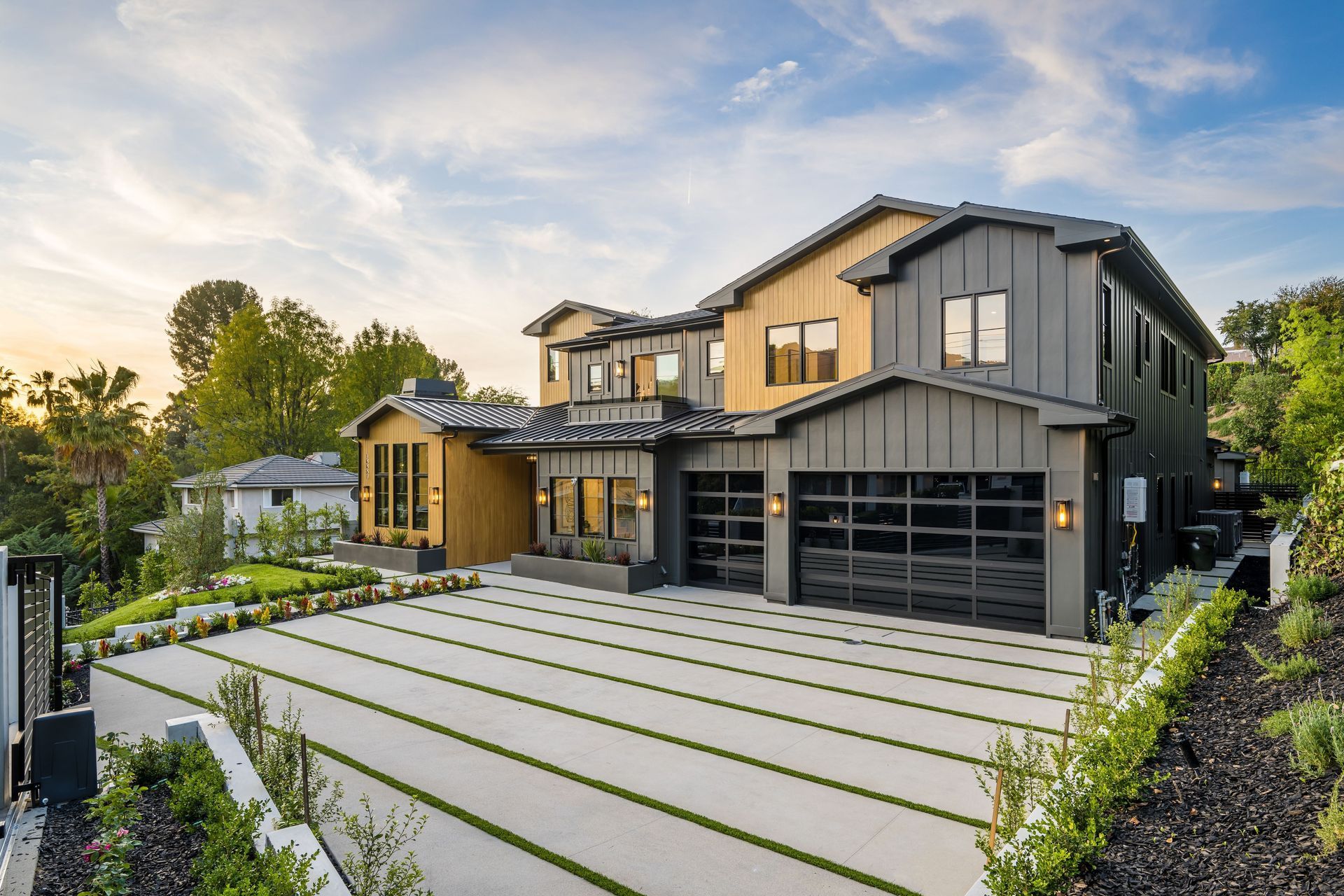
Residential pathways on the Central Coast, NSW, involve more planning than most homeowners expect, from choosing the right finish for a salty coastal climate to understanding local council rules before work begins. This guide covers finish options, cost ranges, council approval basics, and long-term care tips.
Finish Options for Coastal Conditions
The Central Coast's salt air, high humidity, and sandy subgrades near suburbs like Umina Beach, Woy Woy, and Terrigal put extra demand on concrete surfaces compared to inland areas.
Exposed aggregate is widely used for its textured appearance, long-lasting qualities, and non-slip surface. The natural stone finish resists moisture and salt exposure common near the waterfront.
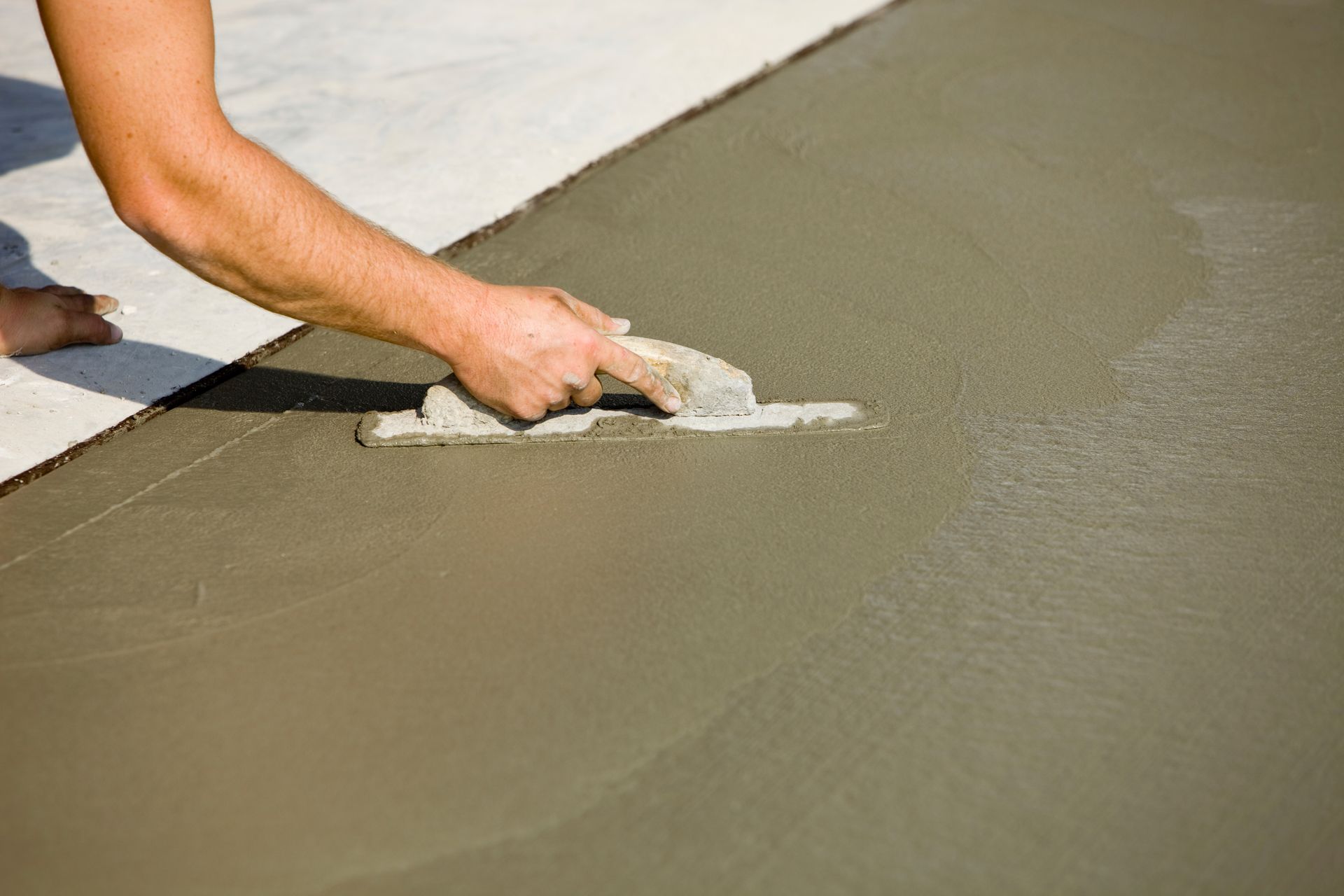
Broom finish is the most affordable option and delivers reliable traction underfoot. It suits side paths, garden access routes, and utility paths where function takes priority over appearance.
Stamped concrete replicates the look of timber, slate, or brick using precision patterning, integral pigments, and industrial-grade sealers that resist fading, abrasion, and moisture. It is a strong choice for front entry paths where street presence matters.
For coastal zones, a penetrating sealer applied after installation helps slow surface degradation from humidity and salt-laden air. Ask your concreter about resealing intervals suited to your proximity to the waterfront.
What Do Residential Pathways Cost on the Central Coast?
Costs vary by finish, path width, subgrade condition, and site access. A concrete pathway in NSW costs $80 to $140 per square metre for a plain broom finish, $90 to $150 for a reinforced standard residential path, and $120 to $220 for decorative finishes including exposed aggregate, stamped, or coloured concrete.
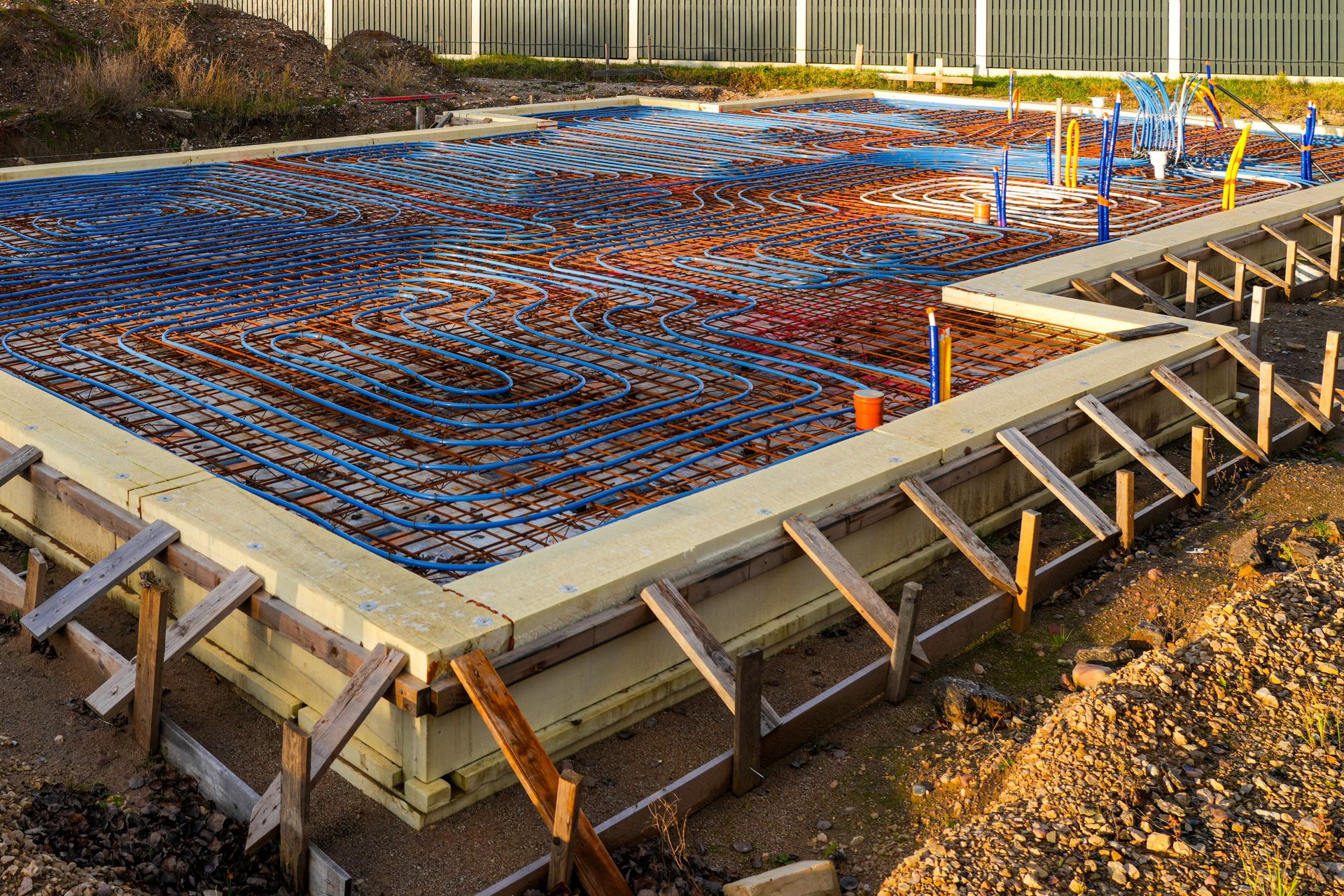
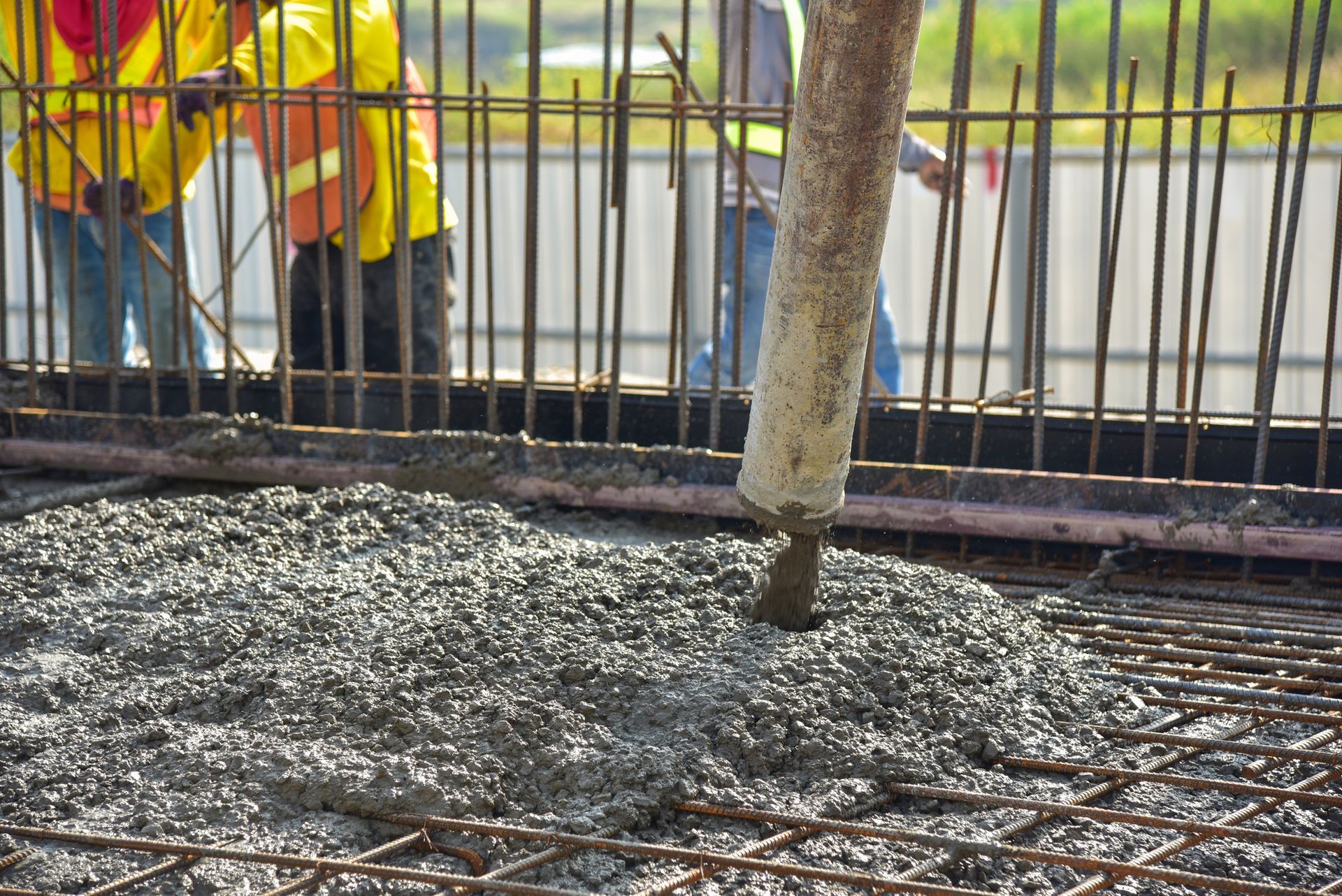
Sandy subgrades along parts of the Central Coast benefit from a road base layer to provide a firm bedding surface. This sub-base preparation adds to the total cost but is important for long-term performance, particularly around Avoca Beach, Gosford, and the Peninsula suburbs.
Always request a written, itemized quote before committing.
What Finish Lasts Longest Near the Coast?
Exposed aggregate typically performs well in coastal environments. Its textured surface allows water to drain rather than pool, and natural stone components are less reactive to salt air than smoother sealed surfaces. Regular resealing every few years extends the life of any decorative finish.
Do I Need Council Approval for a Residential Pathway?
Pathways built entirely within your property boundary generally do not require a development application. However, if your path crosses the road reserve or connects to a public footpath, council approval may be needed. The NSW Roads Act 1993 requires council consent for works within the road reserve to ensure compliance with Australian Standards, standard drawings, and council specifications. Check with Central Coast Council before any work begins near your boundary.
Longevity Tips for Central Coast Homeowners
A well-installed path can last decades with basic upkeep. Key practices include annual cleaning to remove salt and organic debris, prompt patching of hairline cracks before water intrusion causes larger issues, and resealing decorative surfaces every two to three years. Avoid harsh acid-based cleaning products, as these strip sealer and damage the surface over time.
Get a Free Quote on Your Pathway Project
Residential pathway installation on the Central Coast is straightforward when you work with an experienced local concreter. Stuart Concreting serves the Central Coast region and offers free on-site quotes with no obligation. Explore the
pathways and driveway services page to see finish options, or
contact the team to discuss your project. Call
0415 936 996 to get started. You can also find
Stuart Concreting on Google Maps for reviews and directions.